

Shielding Effectiveness Based on the Langer Method - Reliable material characterization for magnetic near-field shielding
Langer EMV-Technik GmbH introduces a new test and analysis system for evaluating the shielding effectiveness of conductive materials against magnetic near fields. The system is designed for material development, comparison and quality assurance — especially for manufacturers of EMC shielding materials, test laboratories and R&D teams requiring reliable magnetic field shielding.
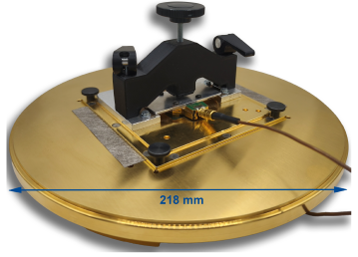
Measurement principle
The test station uses a new measurement principle based on two coupled microstrip lines. The sample is positioned between them. The first microstrip line is fed by a current, generating a magnetic field, which induces a voltage in the second microstrip line.
By comparing the signal with and without the material, the shielding effectiveness is determined directly. This provides a reproducible, high-resolution and material-focused method for gaining deeper insight into shielding performance.
Key Advantages
- Wide frequency range: Measurement from 30 kHz to 1 GHz with a dynamic range of more than 100 dB.
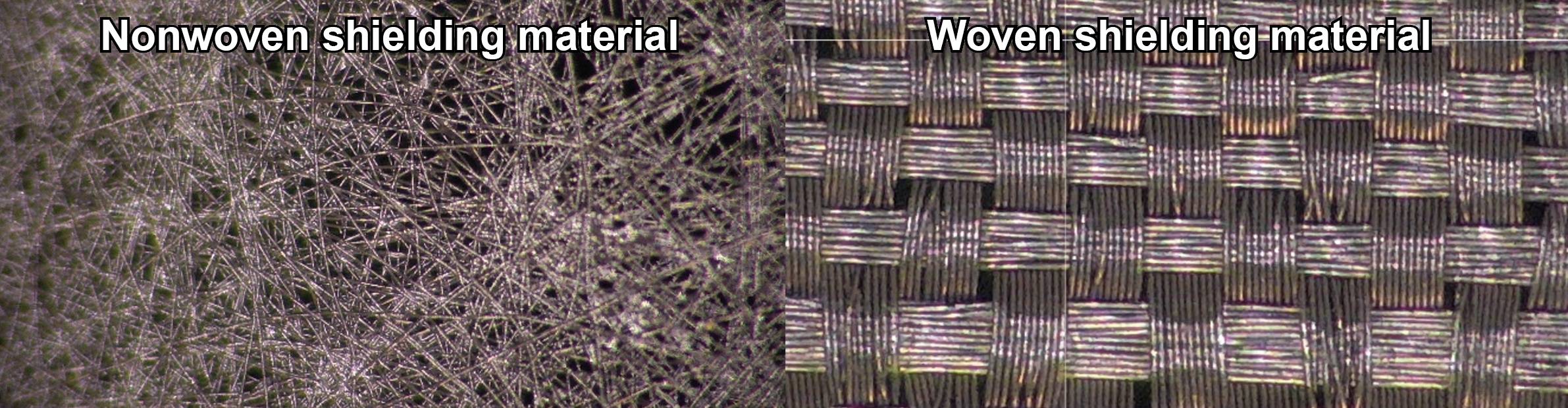
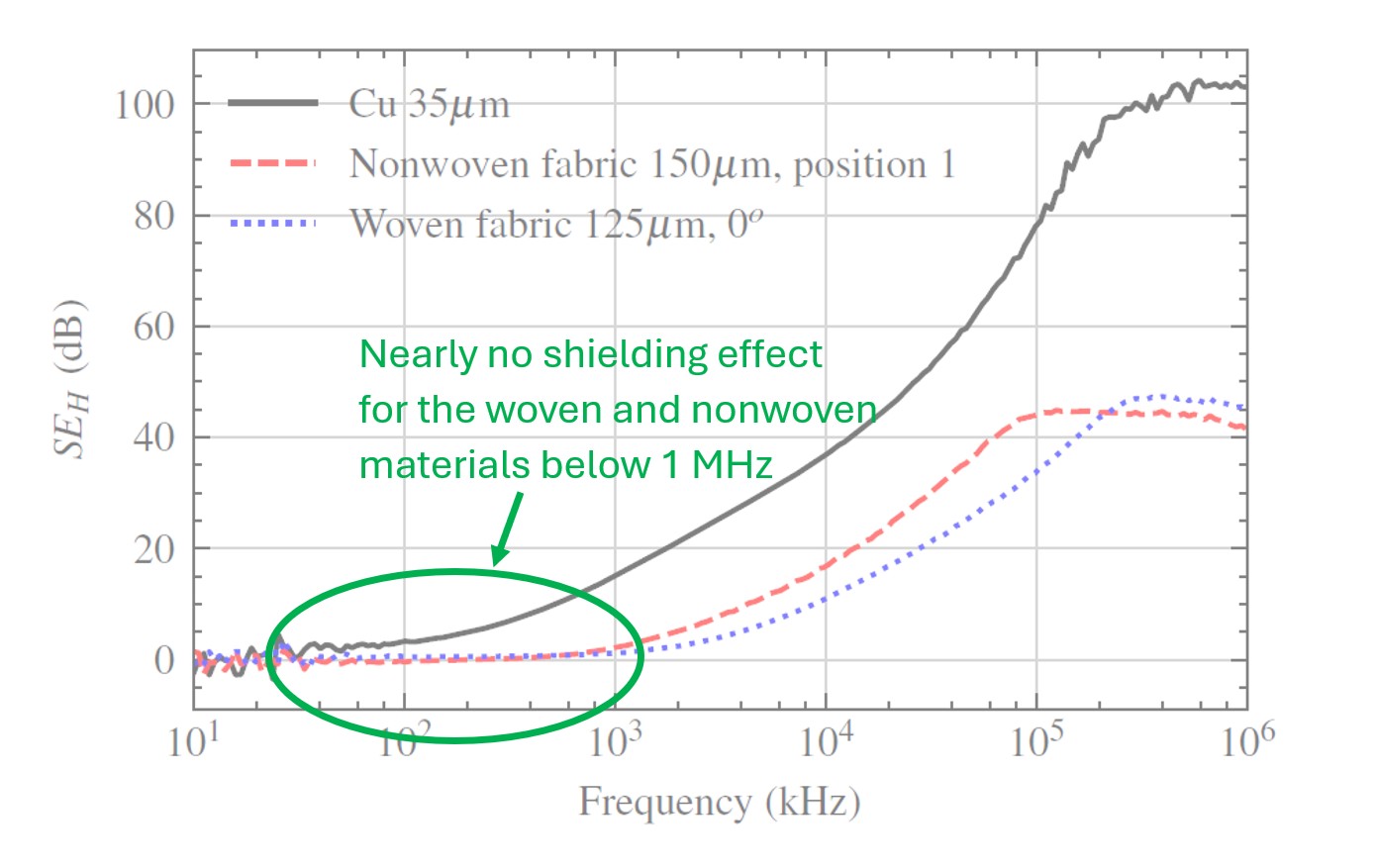
- Excellent reproducibility: Defined measurement geometry ensures stable results without setup-dependent variations.
- Direct material evaluation: Determines material-related shielding parameters instead of system-dependent values.
- Better insight for material development: Supports material optimization — not just a single attenuation value.
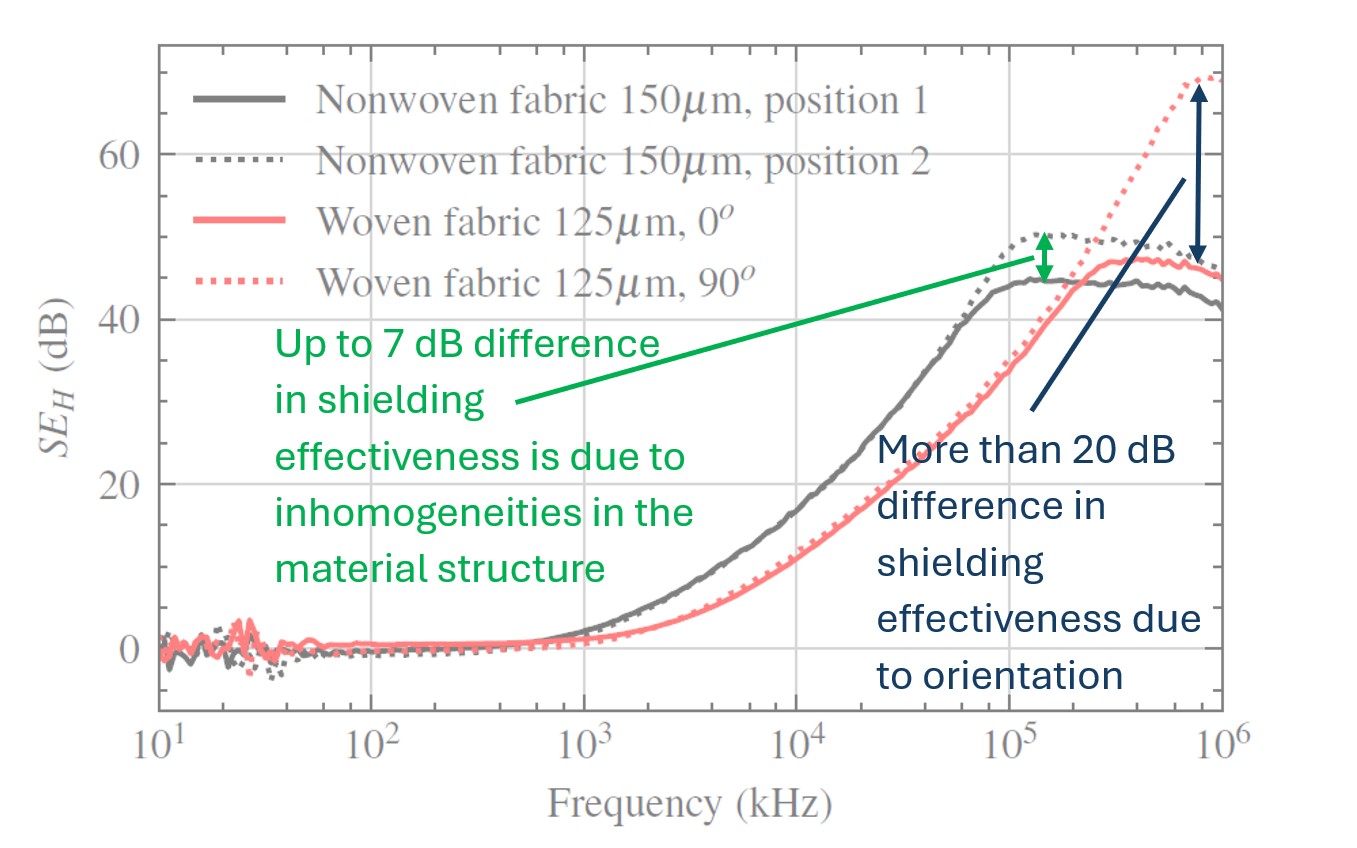
- High spatial resolution: Detects local inhomogeneities and variations in material structure or coating quality.
- Detection of anisotropy: Identifies direction-dependent shielding behavior, e.g. in structured, woven or process-oriented materials.
- Defined sample compression: Measurements can be performed under controlled force to evaluate material behavior under realistic mounting conditions.
- Smaller sample size: Requires less material than many established methods and reduces preparation effort.
- No point-based fixation effects: Unlike conventional specimen holders with localized clamping or screw fixation, the Langer method uses flat, area-based specimen support to reduce mechanical influence on the material.
Conventional shielding measurements often depend strongly on the test setup, sample holder or mounting conditions. The Langer method reduces these influences and delivers highly comparable, reproducible and application-relevant results.
The result: better comparability, deeper material understanding and more effective shielding solutions.